Essential Furnace Maintenance Tasks for Every Home
Keeping your furnace in good shape is the easiest way to stay warm, save on energy, and avoid surprise repairs. Regular maintenance lengthens the life of your system and helps it run more efficiently — which means lower bills and fewer headaches. This guide walks you through the must-do tasks every homeowner should know: how often to maintain your system, the simple upkeep that improves efficiency, signs your furnace needs attention, the value of professional tune-ups, and a practical annual inspection checklist. By understanding these key points, you can ensure your furnace operates safely and reliably throughout the heating season.
How often should you perform furnace maintenance?
Routine care is essential to keep your furnace reliable and efficient. Plan a professional tune-up once a year — ideally before the cold season — and check filters every 1–3 months. The exact timing depends on how much you run the system, the type of filter you use, and whether you have pets or allergies. Regular checks help catch issues early and keep performance steady. Additionally, staying consistent with maintenance can prevent unexpected breakdowns during peak usage times, ensuring your home remains comfortable when you need it most.
What is the recommended frequency for furnace filter replacement?
Filters protect your indoor air and help the furnace move air efficiently. Inspect them monthly and expect to replace them every 1–3 months. Homes with pets, heavy dust, or allergy sufferers usually need more frequent changes. Fresh filters reduce wear on the system and lower the chance of breakdowns. Neglecting filter changes can lead to clogged filters that restrict airflow, forcing your furnace to work harder and potentially causing overheating or system failure.
When should you schedule professional furnace tune-ups?
The best time for a professional tune-up is in the fall, before you rely on heating daily. A technician can test components, clean critical parts, and spot small problems before they turn into costly repairs. If you hear strange noises or notice uneven heating, don’t wait — schedule a service appointment. Early tune-ups also help improve indoor air quality by ensuring the furnace is clean and functioning properly, which is especially important for households with children or individuals with respiratory issues.
What are the essential furnace maintenance tasks to improve efficiency?
A few regular tasks make a big difference: change filters, keep the furnace area clean, and make sure air can flow freely through vents and ducts. These simple actions reduce strain on the system and help your furnace use less energy while keeping your home comfortable. Additionally, maintaining clear airflow prevents overheating and extends the lifespan of your furnace components.
How to inspect and clean furnace components safely?
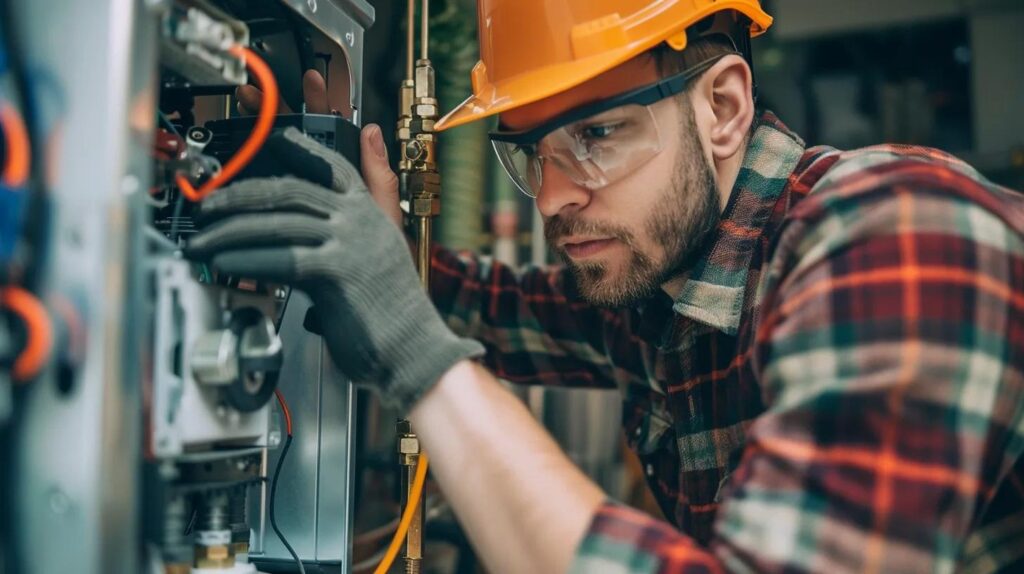
Start by shutting off power to the unit and letting it cool. Key items to look at are the burners, heat exchanger, and blower assembly. Remove dust and debris gently — a soft brush or vacuum with a brush attachment works well. Wear gloves and a mask, and follow your owner’s manual. If anything looks damaged or you’re unsure, call a pro rather than risking a DIY repair. Proper cleaning not only improves efficiency but also reduces the risk of fire hazards caused by accumulated dust and debris.
What are the best heating system maintenance tips for energy savings?
To get the most from your heating system, try these practical steps:
- Schedule Annual Inspections : A yearly professional check catches small problems and keeps performance steady.
- Keep Vents Clear : Make sure furniture, rugs, and curtains don’t block registers so air can move freely.
- Seal Ductwork : Find and seal leaks in ducts to stop heat loss and improve overall efficiency.
Taken together, these actions lower energy use and make your home more comfortable. Additionally, consider using a programmable thermostat to optimize heating schedules and reduce unnecessary energy consumption.
How can you identify signs that your furnace needs repair?
Paying attention to how your furnace sounds and performs will help you spot problems early. Common warning signs include odd noises, uneven temperatures, or a sudden rise in energy costs. Addressing problems quickly usually means a smaller repair and less downtime. Ignoring these signs can lead to more serious issues, including complete system failure or safety hazards such as carbon monoxide leaks.
What common issues indicate furnace malfunction?
Several typical symptoms point to trouble:
- Strange Noises : Clanks, bangs, or squeals often indicate worn parts or loose components that should be checked.
- Inconsistent Heating : Rooms that are noticeably colder or warmer than others can mean airflow problems or a failing component.
- Increased Energy Bills : A sudden or steady rise in costs can show the furnace is working inefficiently and needs attention.
Catching these signs early makes repairs easier and cheaper. Prompt attention also helps maintain indoor comfort and prevents further damage to your heating system.
When should you contact a professional HVAC service for repairs?
Contact a professional HVAC service if problems persist, if you face repeated breakdowns, or if energy bills climb without explanation. Also consider professional help if your unit is older than 15 years and needs frequent repairs — replacement may be a smarter long-term choice. A trained technician can diagnose the issue and recommend the best next steps. Early professional intervention can also improve safety by identifying potential hazards before they become serious.
What are the benefits of professional furnace tune-ups?

Professional tune-ups boost efficiency, reduce the risk of breakdowns, and extend your furnace’s service life. During a service visit, technicians clean, adjust, and test components so the system runs closer to peak performance — which saves money on utility bills and repairs over time. These tune-ups also help maintain warranty coverage and ensure your furnace complies with safety standards.
Newer practices like predictive maintenance add value by using data to forecast problems and schedule service before failures occur. This proactive approach minimizes downtime and can significantly reduce repair costs by addressing issues early.
HVAC Predictive Maintenance for Energy Savings
Predictive tools that flag maintenance needs help keep systems reliable, improve energy efficiency, and lower long-term costs.
Machine learning algorithms for predictive maintenance in HVAC systems, 2023
How does a professional inspection enhance home heating system servicing?
A professional inspection goes deeper than a basic check — technicians evaluate the heat exchanger, burners, electrical connections, and safety controls. That thorough review prevents surprises, improves safety, and keeps the system operating efficiently through the season. Inspections also provide homeowners with detailed reports and recommendations, helping them make informed decisions about repairs or upgrades.
What preventative furnace care steps do experts provide?
Experts typically recommend a few key preventative steps:
- Clear the Installation Area : Keep the space around the furnace free of storage, dust, and debris to maintain airflow and safety.
- Check Ductwork for Leaks : Sealing leaks in ductwork prevents wasted heat and improves comfort.
- Replace Filters Regularly : Consistent filter changes preserve airflow and reduce strain on the blower.
Following these recommendations helps your furnace run cleaner and last longer. Additionally, experts may advise on upgrading components or improving insulation to further enhance system performance.
How do you perform a comprehensive annual furnace inspection checklist?
An annual inspection focuses on the system’s most critical parts and safety items. Use a checklist to make sure nothing gets missed and to track any recommended repairs or adjustments. Keeping detailed records of inspections and maintenance can also help with warranty claims and resale value.
Which furnace components should be checked during inspection?
During an annual check, make sure these items are inspected:
- Ignition System : Verify the ignition lights reliably and that controls operate as intended.
- Blower Assembly : Look for dust buildup and check that the blower runs smoothly and quietly.
- Heat Exchanger : Inspect for cracks or corrosion — a damaged heat exchanger is a serious safety concern.
Regular inspection of these parts helps maintain safe, efficient heating. Technicians may also check the thermostat calibration and test safety switches to ensure the system shuts down properly in case of malfunction.
What safety precautions are necessary during furnace maintenance?
Safety should come first. Always turn power off before working on the furnace and avoid DIY fixes for gas or major electrical issues. Use licensed technicians for inspections and repairs to meet local codes. Check for gas odors and ensure vents and flues are clear to prevent carbon monoxide risks. Installing carbon monoxide detectors is a vital backup for home safety. Additionally, ensure proper ventilation around the furnace and never store flammable materials nearby.
Frequently Asked Questions
What are the signs that indicate a furnace needs maintenance?
Look for noises (clanking, rattling, or squealing), uneven room temperatures, rising energy bills, and visible dust or soot near the unit. A yellow pilot light can indicate incomplete combustion and needs immediate attention. If you spot any of these, schedule an inspection to prevent bigger problems. Regularly monitoring your furnace’s performance can help you catch these signs early.
How can I improve my furnace's energy efficiency?
Start with clean filters, sealed ductwork, and unobstructed vents. Use a programmable or smart thermostat to reduce wasted run time. Regular professional tune-ups also keep the system operating efficiently. If your furnace is old, upgrading to a high-efficiency model can deliver substantial long-term savings. Additionally, improving home insulation and sealing windows can complement furnace efficiency efforts.
What should I do if my furnace is blowing cold air?
First check the thermostat settings to make sure it’s set to “heat” and the temperature is above room level. Inspect the air filter and replace it if clogged. If the problem continues, the pilot or ignition system, a faulty gas valve, or a blocked vent may be the cause — call a qualified HVAC technician to diagnose and fix the issue. Avoid attempting complex repairs yourself to prevent safety risks.
How can I ensure my furnace is safe to operate?
Regular inspections and prompt repairs are the best safety steps. Check for gas smells, install working carbon monoxide detectors, keep the area around the furnace clear, and have the heat exchanger and vents inspected annually. Rely on licensed professionals for gas appliances and major repairs. Educate household members on emergency procedures in case of gas leaks or carbon monoxide alarms.
What is the average lifespan of a furnace?
Most furnaces last between 15 and 30 years, depending on type, maintenance, and usage. Gas furnaces commonly run 15–20 years; electric units can last longer. Proper maintenance — annual tune-ups and timely repairs — helps maximize lifespan. If your unit is frequently breaking down and nearing the upper end of its life expectancy, replacement may be more cost-effective. Investing in a new, efficient furnace can also improve comfort and reduce energy costs.
What are the benefits of upgrading to a high-efficiency furnace?
High-efficiency furnaces (typically 90% AFUE and up) use less fuel, lower your energy bills, and produce fewer emissions. Many include features like variable-speed blowers and compatibility with smart thermostats for better comfort and control. While the upfront cost is higher, the energy savings and improved performance often justify the investment over time. Additionally, some utility companies offer rebates or incentives for upgrading to energy-efficient models.
Conclusion
Regular furnace care keeps your home safer, warmer, and more economical. Follow the maintenance steps outlined here, watch for warning signs, and schedule annual professional service to protect your investment. Taking a few proactive steps now prevents bigger problems later — and helps you get through winter with fewer surprises. Remember, a well-maintained furnace not only saves money but also contributes to a healthier living environment for you and your family.