When to Replace Your Heating System — Signs, Costs, and the Best Time to Act
A failing heating system can be expensive, uncomfortable, and sometimes unsafe. Knowing when to replace your furnace or heat pump protects your comfort and your budget. This guide walks Metro Atlanta homeowners through the most reliable warning signs, typical replacement costs for 2024–2025, and the best times and tactics to schedule work so you reduce disruption and save where possible. You’ll learn how age, repair history, and rising energy bills factor into the repair-versus-replace choice, how furnaces and heat pumps compare for Atlanta homes, and which financing and rebate options can lower your net cost. We also cover sizing and efficiency basics and give clear, local-minded recommendations and checklists to help you decide and plan with confidence.
What Are the Key Signs Your Heating System Needs Replacing?
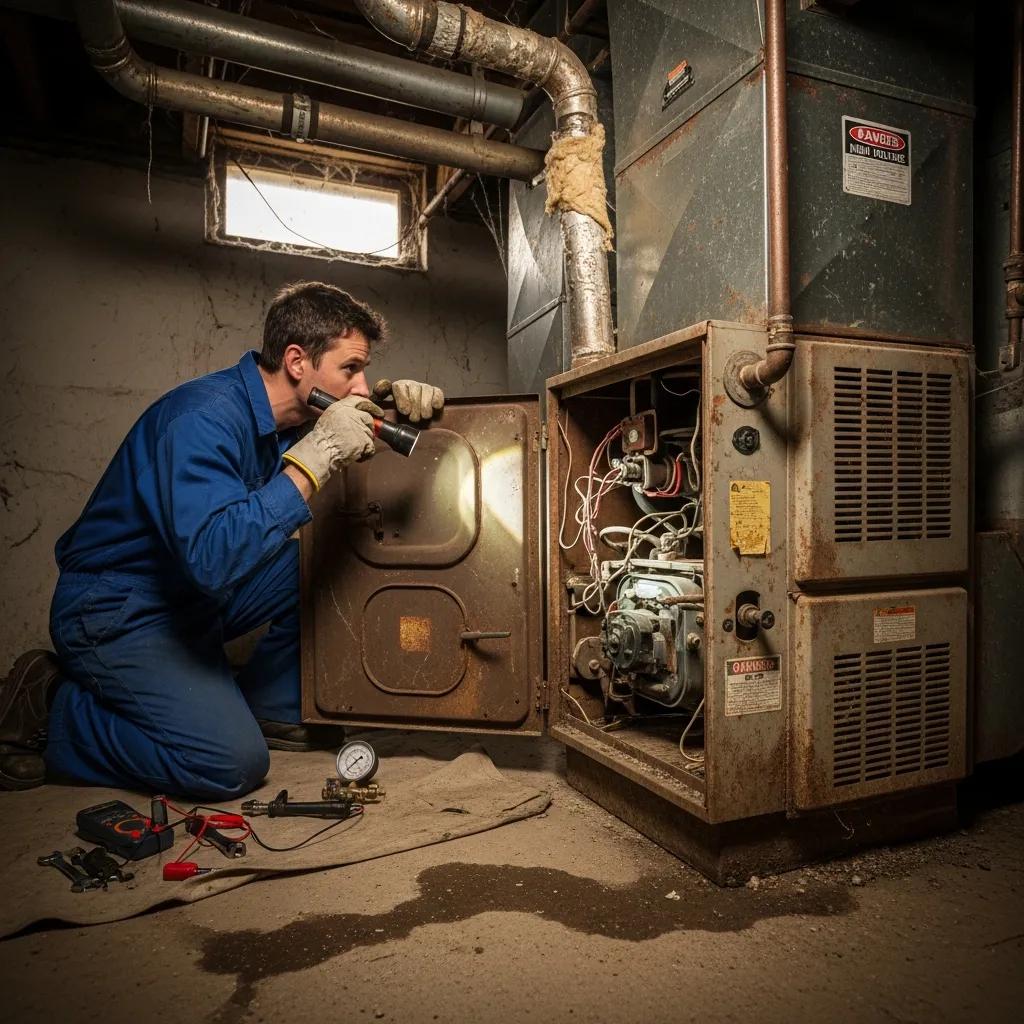
Replace a heating system when several warning signs appear together: age, repeated repairs, higher energy bills, falling performance, or safety concerns. Those symptoms usually mean lower efficiency, a higher chance of breakdown, and sometimes unsafe operation. Spotting a pattern of problems helps you avoid emergency replacements and keeps your family safe. Below are the most common red flags that typically point to replacement rather than repair.
- Age beyond typical lifespan: Furnaces over 15–20 years or heat pumps over 10–15 years are likely losing efficiency and reliability.
- Frequent, costly repairs: Several service calls in one season or repair bills that approach a large share of a new system’s cost usually mean diminishing returns.
- Rising, unexplained energy bills: Higher bills with no change in use or weather often indicate declining AFUE/HSPF performance or failing components.
- Uneven heating or loss of capacity: Cold spots, short cycling, or a system that can’t reach set temperatures are signs the unit is struggling.
- Warning noises, smells, or visible damage: Loud bangs, grinding, burning odors, soot, corrosion, or visible cracks require immediate attention and often warrant replacement.
If you see several of these signs, schedule a professional inspection. A technician can determine whether repairs will buy useful time or if replacement will save money and reduce safety risks in the long run. The diagnostic results also guide the cost and timing decisions described below.
Citywide HVAC Specialists offers diagnostic inspections that evaluate these warning signs and recommend a repair-versus-replace plan tailored to your home. If multiple indicators are present, a professional assessment can estimate remaining service life, compare repair costs to replacement, and flag any urgent safety issues. To schedule an inspection or get a detailed assessment, contact Citywide HVAC Specialists by phone to set a local appointment and review next steps.
How Does Heating System Age Affect Replacement Decisions?
Age is one of the best predictors of decline and failure risk. Gas and electric furnaces usually last about 15–20 years; air-source heat pumps commonly run 10–15 years before performance and reliability drop. As units pass those ranges, key parts—heat exchangers, compressors, blowers—near end-of-life, repairs become more frequent, and replacement parts may be harder to source. When a system approaches or exceeds its expected lifespan, shift from reactive fixes to proactive replacement planning to avoid emergency failures during cold weather. Knowing expected service life helps you time a replacement around your budget, rebate windows, and seasonal installation advantages.
When Do Frequent Repairs Indicate It’s Time to Replace Your Furnace or Heat Pump?
Frequent repairs signal replacement when the total cost and downtime outweigh the value of further fixes. A common rule of thumb is the “50% rule”: if a single repair costs roughly half of a new system, or if annual maintenance and repair bills keep rising, replacement should be on the table. Other red flags include repeated failures of major components—compressor, heat exchanger, control boards—and growing service calls across seasons. Track repair frequency, yearly repair spending, and time out of service to decide if continued repairs are sensible. Ask your technician to document failure patterns during an inspection to quantify future risk and support a cost-based decision.
How Do Rising Energy Bills Signal Heating System Inefficiency?
Older or failing systems often show up first as higher utility bills even when usage and weather stay the same. AFUE (for furnaces) and HSPF (for heat pumps) drop as parts wear and seals fail, so the system uses more fuel or electricity to produce the same heat. Compare year-over-year energy use for similar weather periods—consistent increases of around 10% or more without lifestyle changes usually mean it’s time for a closer look. Simple home checks—watching thermostat cycles, noting uneven rooms, and spotting short cycling—can back up the bill data. When you quantify expected monthly savings from a high-efficiency replacement, the payback period often supports choosing replacement.
What Are the Warning Noises, Smells, and Visible Signs of Heating Failure?
Noises, odors, and visible damage are immediate safety and performance indicators that should prompt quick action and often replacement. Problem sounds include banging or popping (possible duct or ignition issues), grinding (worn bearings or motor), and hissing or whistling (airflow blockages or refrigerant leaks). Burning smells or the rotten-egg scent of natural gas require emergency shutoff and professional service. Look for rust, soot around burners, cracked heat exchangers, or oil/refrigerant stains. When structural parts like a heat exchanger are compromised, replacement is usually the safest long-term solution.
How Do System Size, Efficiency Ratings, and Installation Complexity Affect Price?
Sizing (BTU output for furnaces or tonnage for heat pumps) drives equipment selection and cost—oversized or undersized units reduce comfort and efficiency. Higher AFUE or HSPF ratings usually increase equipment cost but lower operating expenses; a 5–10% AFUE improvement can meaningfully cut annual fuel costs in older homes. Installation complexity—new ductwork, vent modifications, tight attic or crawlspace access—increases labor and can add several hundred to a few thousand dollars. Ask for a professional Manual J load calculation to confirm correct sizing and weigh long-term energy savings against upfront costs when selecting efficiency and installation options.
When Is the Best Time to Replace Your Furnace or Heating System?
Scheduling replacement in fall or spring gives the best balance of comfort, cost, and scheduling flexibility. Temperatures are milder, contractor demand is lower, lead times shrink, and labor premiums are often smaller. Replacing in a shoulder season also lowers the risk of emergency work during extreme weather and helps you coordinate installations with rebate and tax-credit windows. Planning ahead reduces disruption, leaves time for permits, and widens your options for equipment and installers. The list below explains why transitional seasons work best and how to time work for the biggest benefit.
- Fall replacement advantages: Milder conditions for installation, restored comfort before winter, and better parts availability.
- Spring replacement advantages: Lower peak demand than winter, possible off-season discounts, and time to enroll in summer energy programs.
- Avoiding emergency replacements: Proactively replacing in shoulder seasons reduces exposure to emergency fees and limited equipment availability during cold snaps.
Booking a replacement in fall or spring gives you time to get multiple quotes, match installations to rebate deadlines, and schedule work at convenient times. Planning avoids rushed choices that can lead to oversized systems or missed warranty and rebate opportunities.
Why Are Fall and Spring Ideal Seasons for Heating Replacement?
Fall and spring are easier for both installers and homeowners: milder weather makes on-site work smoother and reduces urgency. Contractors usually have more schedule flexibility in these months, which trims lead times and gives homeowners better timing options. Fall installations ensure your system is ready before sustained cold; spring installs avoid the busiest winter months and may line up with off-season pricing or promotions. For most homeowners, booking 4–8 weeks ahead in these seasons secures preferred timing without the premiums tied to emergency winter service.
What Are the Benefits of Upgrading to a New Heating System?
Upgrading to a modern heating system brings measurable energy savings, steadier comfort control, improved indoor air quality, and enhanced safety features—benefits that can also boost resale appeal. High-efficiency furnaces and heat pumps lower fuel and electricity use; variable-speed blowers and zoning improve temperature consistency; and modern filtration and sealed-combustion designs reduce pollutants and CO risk. The table below summarizes typical energy savings, comfort improvements, and common rebate eligibility by system type to help you weigh options.
| System Type | Energy Savings (%) | Comfort Improvement | Typical Rebate Eligibility |
|---|---|---|---|
| Standard Furnace → High-Efficiency Furnace | 10–20% | Moderate (smoother cycling) | Often eligible for state/utility rebates |
| Old Heat Pump → Modern Heat Pump | 20–40% | High (better capacity in mild temperatures) | Strong eligibility for federal tax credits |
| Heat Pump + Zoning | 25–45% (system-level) | Very high (room-by-room control) | Rebates may apply to multi-feature upgrades |
How Do Energy-Efficient Heating Systems Lower Your Utility Bills?
Energy-efficient systems reduce utility bills by turning fuel or electricity into heat more effectively, so you use less energy to keep your home comfortable. A higher AFUE furnace or a heat pump with improved HSPF and SEER ratings delivers more heat per unit of energy, cutting monthly costs—especially in households with significant winter heating needs. Real savings depend on home size, insulation, and local rates, but you can estimate payback by comparing the extra upfront cost to projected annual energy savings. Proper sizing, air-sealing, and smart thermostat controls further increase actual savings—equipment plus envelope improvements work together to lower bills.
The move toward more efficient heating highlights how effective heat pumps can be for many homes.
Heat Pumps: Energy-Efficient Solutions for Residential Heating
As homeowners and policymakers seek cost-effective, energy-saving heating solutions, modern heat pumps have emerged as a practical and efficient option for many residential applications.
A Comprehensive Review of Life Cycle Assessments for Domestic Heat Pumps: Environmental Footprint and Future Directions, M Aridi, 2025
In What Ways Does a New Heating System Improve Home Comfort and Air Quality?
New systems provide steadier temperatures, better humidity control, and quieter operation, which together make the house more comfortable. Variable-speed blowers and zoning systems distribute heat more evenly and reduce temperature swings between rooms. Upgraded filtration removes more particulates for better indoor air quality. Lower noise and faster response times also improve day-to-day comfort, while smart thermostats and integrated controls let you manage settings efficiently. These upgrades not only feel better but also support healthier indoor environments.
How Can a New Heating System Increase Your Home’s Value and Safety?
A documented, recently installed heating system is attractive to buyers because it reduces near-term capital needs and signals responsible maintenance. Modern units include safety upgrades—sealed combustion, improved venting, and CO detection integration—that lower household risk. For resale, providing professional installation records, warranty registration, and recent energy-performance information can support a higher asking price or faster sale. Both sellers and buyers value the reduced maintenance burden and improved efficiency a new system brings.
How Do You Choose the Right Heating System for Your Atlanta Home?
Choosing the right system means balancing Atlanta’s climate, your home’s construction, fuel availability, and long-term operating costs against upfront equipment and installation expenses. In Metro Atlanta, mild winters make heat pumps a practical, efficient option for many homes; gas furnaces remain a solid choice where natural gas is available or preferred. Correct sizing, appropriate efficiency ratings (AFUE, HSPF, SEER), and attention to ductwork and zoning are essential to deliver the savings and comfort you expect. The table below helps match system types to home features and outlines core pros and cons.
| System Type | Best For Homes With | Key Pros | Key Cons |
|---|---|---|---|
| Gas Furnace | Homes with existing gas lines and solid ductwork | Strong heat output; familiar, reliable technology | Exposure to fuel price swings; generally lower efficiency than top heat pumps |
| Air-Source Heat Pump | Mild-climate homes and those wanting electric-only systems | High efficiency; provides heating and cooling in one unit | Output drops in extreme cold unless paired with backup heat |
| High-Efficiency Furnace | Homes focused on fuel savings and longevity | Lower operating costs with high AFUE | Higher upfront cost; requires gas availability |
How Do Efficiency Ratings and Sizing Impact Your Heating Choice?
Efficiency ratings—AFUE for furnaces and HSPF/SEER for heat pumps—measure how well a unit converts energy into heat or cooling and directly affect operating cost. Proper sizing, determined by a Manual J load calculation, ensures the system runs at the right capacity: undersized units struggle to meet demand while oversized units short-cycle and waste energy. Right-sizing extends equipment life, improves comfort, and maximizes the value of efficiency upgrades. Always request a professional load calculation and compare quoted efficiency ratings and seasonal energy estimates across proposals.
What Financing Plans Does Citywide HVAC Specialists Offer?
Citywide HVAC Specialists offers financing to help homeowners spread the upfront cost and align payments with rebates and tax credits. Our plans are designed to make high-efficiency upgrades more affordable, with prequalification support available. Ask about terms, credit requirements, and how financing coordinates with rebate timing. For specific plan details or to discuss financing alongside a replacement estimate, contact Citywide HVAC Specialists by phone to schedule a consultation and review options available to Metro Atlanta residents.
Frequently Asked Questions
What factors should I consider when choosing a heating system for my home?
Think about your home’s size, insulation, and local climate. In Metro Atlanta, heat pumps often make sense because of mild winters; gas furnaces remain a strong option where natural gas is available. Also evaluate efficiency ratings (AFUE for furnaces, HSPF for heat pumps) and be sure to get a Manual J load calculation for proper sizing to maximize comfort and savings.
How can I prepare my home for a heating system replacement?
Clear the area around the existing unit so technicians have easy access. Gather any warranties and service records for the current system, which can help with installation and warranty registration. Schedule replacement during off-peak seasons if possible to avoid delays and make installation smoother.
What are the long-term benefits of upgrading to a high-efficiency heating system?
Upgrading can deliver lower utility bills, better comfort, and improved indoor air quality. High-efficiency systems use less energy, cost less to operate, and often include advanced features that improve temperature control and reduce pollutants—benefits that also make your home more attractive to future buyers.
Are there any specific maintenance tips for new heating systems?
Keep your new system running well with annual professional inspections for efficiency and safety. Change air filters every 1–3 months to maintain airflow and indoor air quality. Keep the area around the unit clear and ensure vents aren’t blocked to promote efficient operation and prevent overheating.
Conclusion
Knowing the signs that point to a heating system replacement helps you protect comfort, safety, and your budget. Understanding costs, timing, and the benefits of a modern system lets you make a confident choice. Don’t wait for an emergency—schedule a professional inspection to assess your system today. Explore Citywide HVAC Specialists’ services to keep your home warm, safe, and efficient year-round.