Heater Not Working? Complete Troubleshooting Guide to Fix Your Furnace & Heating
No heat, weak heat, or on-and-off warmth — when your heater fails, it interrupts comfort and can be stressful. This guide walks homeowners through the most common causes (thermostat errors, power problems, dirty filters, ignition faults, and mechanical failures) and shows simple, safe checks you can try. You’ll learn how to rule out thermostat and power issues, spot airflow and blower problems, and when to call a licensed technician for gas or electrical risks. Each section includes step-by-step checks, safety notes, quick-reference tables, and clear next steps for searches like “no heat,” “furnace not working,” or “heater blowing cold air troubleshooting.” Follow this diagnostic flow to restore heat safely or to collect the details a technician will need.
What Are the Most Common Reasons My Heater Is Not Working?
Most heaters stop producing heat for a handful of reasons: incorrect thermostat settings, loss of power, blocked airflow, ignition or pilot failures, or mechanical faults in the blower or control board. These fall into three layers—control (thermostat), power (breaker, switch, gas valve), and airflow/combustion (filters, pilot, blower motor)—and each needs a different diagnostic approach. Knowing these categories helps you pick safe checks to try yourself and spot issues that need a pro. Use the quick checklist below to narrow likely causes before deeper troubleshooting.
Common immediate checks to perform:
- Thermostat settings: Make sure the thermostat is set to Heat and the set temperature is above room temperature.
- Power supply: Confirm the furnace power switch is ON and the correct circuit breaker hasn’t tripped.
- Air filter: Look at the filter and replace it if it’s visibly dirty to restore airflow.
These three quick checks fix many simple “no heat” calls and help you decide whether to continue DIY troubleshooting or call a professional.
Why Is My Furnace Blowing Cold Air Instead of Heat?
If the furnace runs but blows cold air, it’s often cycling without sustaining combustion or the system is in a cooling mode (common with heat pumps). A gas furnace may have ignition or flame-sensing issues; a heat pump might be in defrost or set to the wrong mode. Blocked airflow from a clogged filter or closed vents can also make the air feel cold. Check the thermostat mode, inspect or replace the filter, and observe the burner flame or outdoor unit to narrow down the cause and decide next steps.
Below is a quick symptom-to-cause map to help you prioritize checks and actions.
| Symptom | Likely Cause | Recommended Next Step |
|---|---|---|
| Furnace runs but air is cold | Dirty filter, thermostat set to Cool, ignition failure | Replace filter, set thermostat to Heat, check ignition/pilot |
| Heat pump running but cold output | Defrost cycle or incorrect mode | Confirm mode and outdoor unit operation; call a technician if it continues |
| Intermittent warm air | Weak flame or dirty flame sensor | Observe burner flame; clean flame sensor or schedule service |
This quick table narrows likely causes so you can act safely and efficiently. If cold airflow continues after these checks, a technician will usually need to inspect ignition systems or heat-pump refrigerant and controls.
What Causes My Heater to Suddenly Stop Working?
Sudden shutdowns commonly come from power loss, safety limits tripping, or a failed component like the control board or gas valve. Power interruptions include tripped breakers, a turned-off furnace switch, or a disconnected power source; safety devices may shut the system to prevent overheating or unsafe combustion. Less commonly, a cracked heat exchanger or interrupted gas supply requires immediate professional attention for safety. Start with low-risk checks—thermostat, breaker, and gas supply—then escalate based on symptoms and any gas odors.
If the system shows error codes or keeps tripping safety devices, don’t try repeated restarts. Turn off the unit and contact a licensed professional to investigate control board faults or combustion-related hazards.
How Can I Troubleshoot Thermostat Problems When My Heater Won’t Heat?
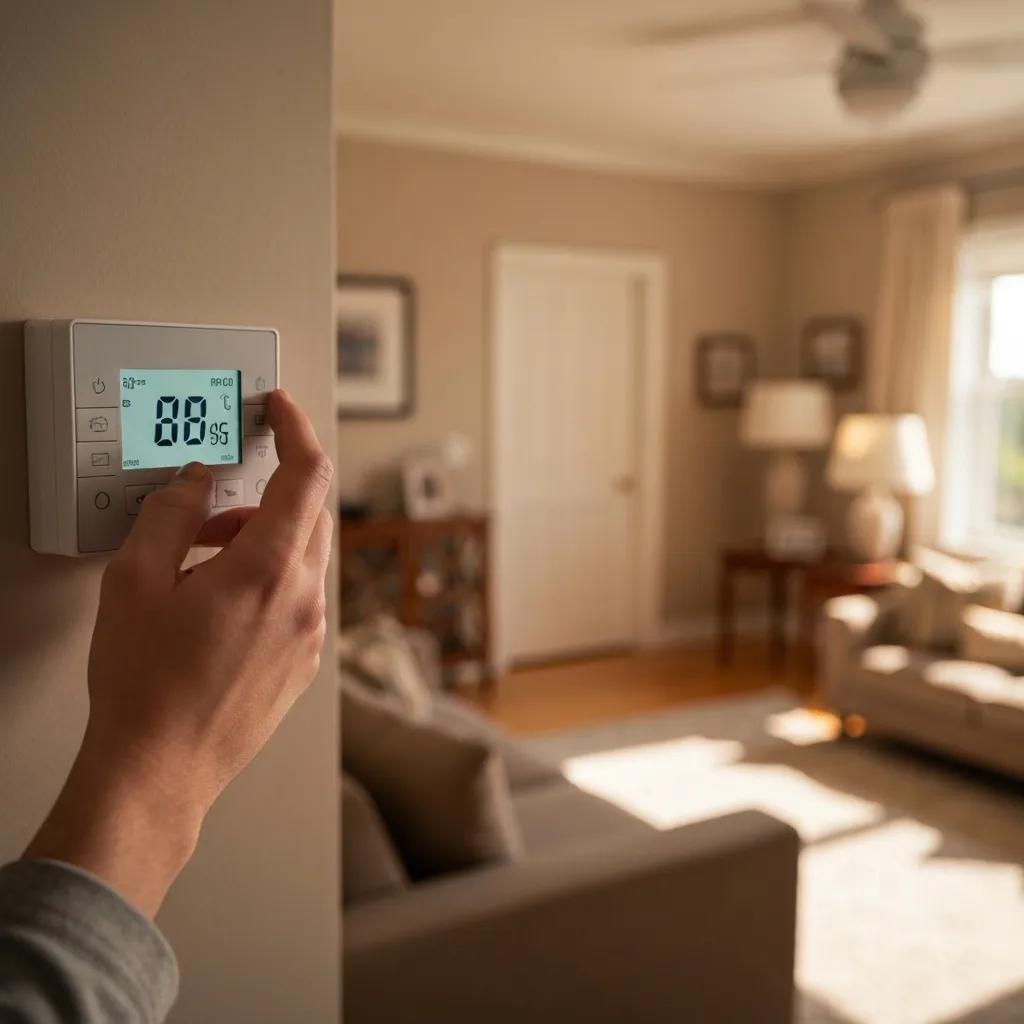
A faulty thermostat can stop the furnace from getting a call for heat, so it’s a critical first checkpoint. Thermostats fail because of wrong mode settings, dead batteries, loose wiring, or loss of low-voltage power from the transformer. Testing the thermostat helps you tell if the issue is at the control level or with the furnace, gas, or electrical supply. Start with safe steps: confirm the mode, raise the setpoint, replace batteries, and use a manual call-for-heat if available.
Here’s a short troubleshooting table to guide homeowner checks and avoid unnecessary service calls.
| Component | Attribute to Check | How To Check |
|---|---|---|
| Thermostat mode | Heat vs Cool/Auto | Confirm the display shows Heat and the setpoint is above room temperature |
| Batteries | Power to the display | Replace batteries and see if the display and controls respond |
| Wiring/power | C‑wire or transformer power | Check that the thermostat has power; avoid probing live wires if unsure and call a pro |
These checks show whether the thermostat is at fault or if the call for heat reaches the furnace. If replacing batteries and resetting the thermostat don’t start the furnace, the issue often lies with fuel or electrical supply and needs further inspection.
After trying the DIY thermostat checks, many homeowners choose professional follow-up. Citywide HVAC Specialists in Lithonia, GA can verify thermostat wiring, replace or upgrade thermostats, and provide free estimates for repairs or replacements. If you prefer professional help after your checks, call our local team to speed diagnosis and restore safe, reliable heating.
Why Is My Thermostat Not Turning On the Heat?
A thermostat that won’t call for heat can have a blank display from dead batteries, an incorrect mode, or wiring/low-voltage transformer faults. Smart thermostats can also lose connectivity or enter protective modes that stop a heat call. The fastest check is whether the thermostat has power—if the display is blank, start with batteries or power. If it’s powered but won’t start the furnace, raise the setpoint and listen for furnace startup or check the transformer fuse at the furnace.
If wiring or low-voltage power issues are suspected, stop and call a licensed HVAC technician to avoid damaging controls or creating electrical hazards. Proper diagnosis ensures the thermostat and furnace controls work together to restore heat.
How Do I Check and Reset Thermostat Settings for Heating?
Resetting your thermostat can clear programming glitches that block heat calls. For basic models, replace batteries, set mode to Heat, and raise the setpoint. For programmable or smart thermostats, try a soft reboot or factory reset per the manufacturer’s instructions—note existing schedules first. After resetting, do a manual call-for-heat and listen for the furnace; if it doesn’t respond, the problem may be at the furnace or in the low-voltage wiring.
When resetting smart thermostats, make sure Wi‑Fi reconnects and remote schedules aren’t overriding local commands. If you’re not comfortable resetting an advanced thermostat, a licensed technician can update firmware and verify wiring without risking configuration loss.
What Power Supply Issues Could Cause My Heater to Fail?
Power supply issues that stop heating include tripped circuit breakers, an off furnace switch, a closed gas valve, or ignition/pilot faults that prevent combustion. Repeated resets can damage control boards or motors, and gas-related problems create safety risks needing professional handling. Start with visible, low-risk checks: verify the breaker, check the furnace switch, and confirm the gas valve is ON for gas furnaces. If these checks don’t restore operation, stop and get a professional diagnosis.
Below are safe reset steps for common power issues and warnings on when to stop DIY attempts.
How Do I Reset a Tripped Circuit Breaker Affecting My Heater?
Resetting a breaker is a common, safe homeowner step when a heater loses power, but repeated trips signal a deeper electrical fault that needs an electrician or HVAC technician. Find the breaker panel, locate the furnace breaker (often labeled), and switch it fully OFF then back ON to reset. If it trips immediately or often, turn off the furnace and call a technician—persistent trips can mean short circuits, overloads, or motor faults that are hazardous.
If you smell burning or see scorch marks near the panel, do not reset breakers—evacuate and call emergency services, then a licensed professional to inspect wiring and furnace electrical components.
How Can I Troubleshoot Furnace Pilot Light Problems?
On gas furnaces with a standing pilot or electronic ignition, pilot and ignition faults stop combustion and leave the furnace unable to produce heat. Check whether the pilot flame is lit and blue, and whether electronic igniters cycle when the thermostat calls. Common causes for a pilot that won’t stay lit include a dirty pilot assembly, a failing thermocouple, or restricted gas supply. Confirm there’s no gas odor before any relight attempt and follow safety instructions closely.
If the pilot won’t stay lit after one careful relight attempt, the thermocouple or ignition module likely needs replacement by a licensed technician because of gas-safety and combustion checks required.
How Do I Safely Relight a Furnace Pilot Light?
Relighting a pilot on older furnaces is possible but requires strict safety checks to avoid gas buildup and ignition hazards. First, smell for gas—if you detect gas, do not relight; ventilate and call a professional. Turn the gas control to OFF and wait the manufacturer-recommended time for gas to clear, then follow the furnace’s lighting instructions: set to PILOT, hold the control down, ignite with a long lighter or built-in igniter, hold until the flame stabilizes, then turn to ON. A steady blue flame indicates proper combustion.
If the pilot won’t stay lit, avoid repeated relight attempts and contact a licensed technician to inspect the thermocouple, gas valve, and ignition system. Repeated relighting can mask safety or fuel-supply problems.
How Do I Identify and Fix Airflow and Mechanical Problems in My Heater?
Airflow and mechanical issues can reduce heat output even when the furnace fires correctly. Common causes include clogged filters, blocked ducts, failing blower motors, and damaged heat exchangers. Restricted airflow makes the furnace work harder, can trigger overheating limits, and lowers heat transfer; mechanical failures like worn blower bearings or belts reduce air movement. Start with simple visual checks—filter condition, supply vents, and any unusual motor noises—and do basic fixes like replacing the filter and clearing return vents. If symptoms persist, call a technician because blower motor replacement, belt changes, and heat exchanger inspections require technical skill.
Below is a symptom-to-action list to help you prioritize homeowner steps and decide when to call a pro.
- Inspect filter and vents: A dirty filter or closed vents reduce airflow—start here.
- Listen for unusual blower noises: Squealing or grinding usually means motor or bearing trouble and needs professional attention.
- Check for inconsistent room temperatures: Large temperature differences between rooms point to duct or blower problems beyond simple fixes.
Fixing airflow issues often restores comfort quickly, but mechanical repairs should be handled by licensed technicians to ensure safe, code-compliant work.
How Does a Clogged Air Filter Affect Heater Performance?
A clogged air filter restricts return airflow, making the furnace cycle more often, overheat, or fail to deliver warm air. That lowers efficiency and stresses the blower motor, potentially causing short cycling, higher energy bills, and premature component wear. Inspect the filter monthly during heavy use and replace it when it looks dirty; follow manufacturer sizes and appropriate MERV ratings. Replacing a dirty filter often restores airflow and reduces cycling—it’s one of the most effective maintenance tasks homeowners can do.
Keeping filters clean also reduces strain on the blower motor, helping prevent motor failure and extending system life until professional maintenance is scheduled.
What Are the Signs of a Blower Motor Not Working Properly?
Blower motor problems show up as weak airflow, odd noises (squeal, grind, rattle), intermittent operation, or overheating that trips safety shutoffs. A failing motor may start slowly, draw too much current, or cause the breaker to trip. Do a visual check for debris, inspect the filter, and listen during startup; if the motor hums but doesn’t spin or there’s a burning smell, shut the system down and call a professional. Motor repairs need specialized tools and parts, so qualified HVAC technicians should handle diagnosis and replacement to ensure safe reconnection and correct airflow balance.
Addressing blower motor issues promptly prevents secondary damage and keeps heat delivery efficient throughout the home.
Frequently Asked Questions
What should I do if my heater is making strange noises?
Unusual sounds like squealing, grinding, or rattling often point to mechanical problems—failing blower motors, loose parts, or debris. Start by checking for visible obstructions and confirming the air filter is clean. If noises continue, turn the heater off and call a licensed HVAC technician to diagnose and repair the issue—running the system can cause more damage.
How can I improve the efficiency of my heating system?
Boost efficiency with regular maintenance and a few simple changes. Replace or clean air filters monthly, keep vents clear, seal drafts around windows and doors, and schedule yearly professional tune-ups. Installing a programmable thermostat also helps optimize heating schedules to save energy while keeping your home comfortable.
What are the signs that my heater needs to be replaced?
Signs you may need a new heater include frequent breakdowns, rising energy bills, uneven heating, and age—most heaters last about 15–20 years. If your system needs constant repairs or can’t maintain comfortable temperatures, replacement may be more cost-effective. Unusual smells or noises and poor efficiency are reasons to have a technician evaluate whether replacement is the best option.
Can I perform my own heater maintenance?
Yes—homeowners can do basic maintenance like changing or cleaning air filters, checking and clearing vents, and confirming the thermostat works. For complex tasks such as inspecting the heat exchanger, electrical components, or gas lines, hire a licensed HVAC technician to ensure safety and code compliance.
What should I do if I smell gas near my heater?
If you smell gas, act immediately: evacuate the area, avoid using electrical devices or open flames, and once safe, contact your gas utility and a licensed HVAC technician. Gas leaks are dangerous—do not try to troubleshoot or relight the pilot yourself.
Conclusion
Knowing the common causes of heater problems lets homeowners take sensible steps to diagnose issues and decide when to call a pro. Follow the troubleshooting tips in this guide to identify simple fixes and recognize safety risks that need licensed help. Regular maintenance and timely repairs improve comfort and extend your system’s life. For expert assistance and dependable service, reach out to Citywide HVAC Specialists — we’re here to help keep your home warm and safe.